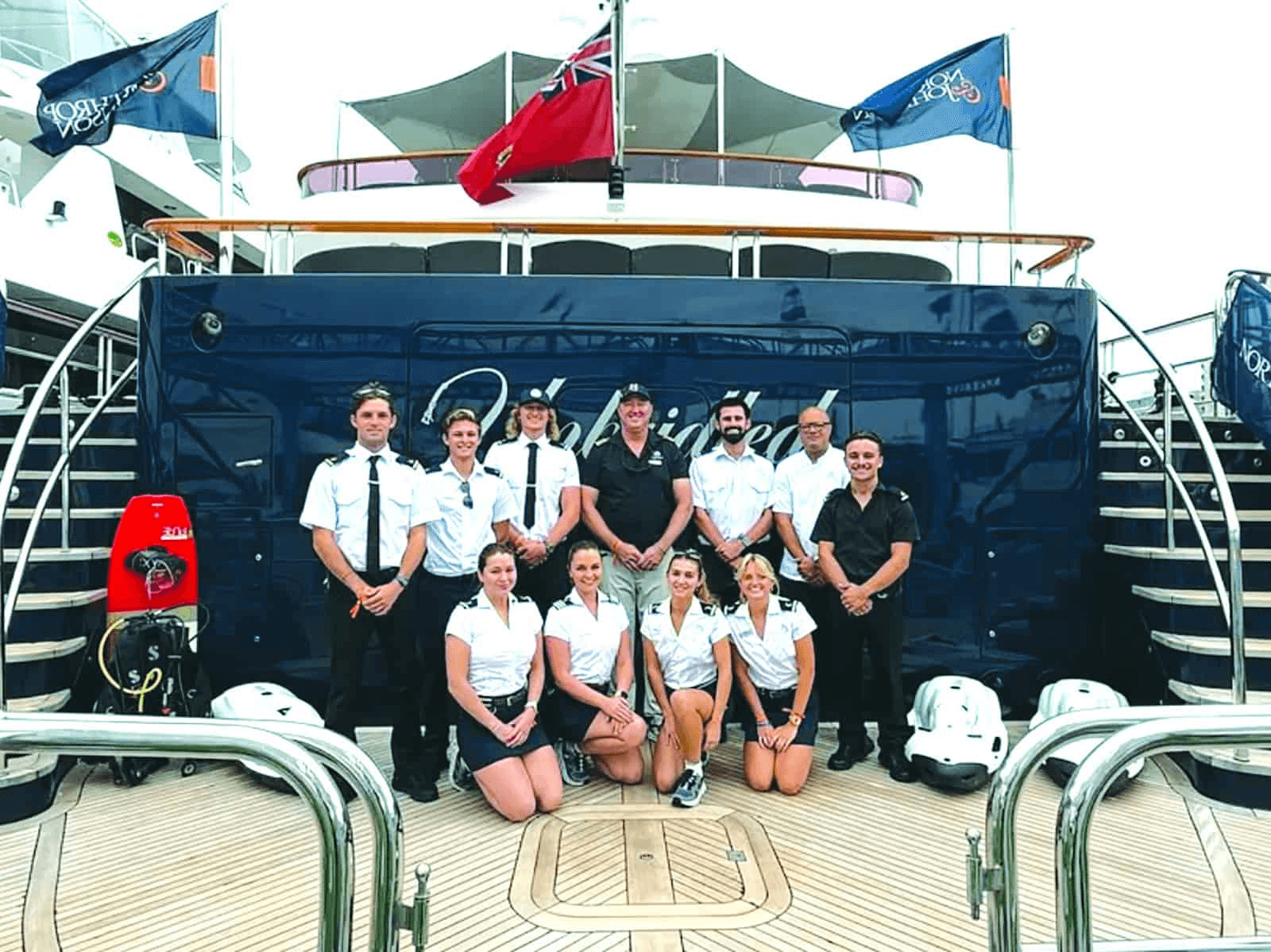

You’re on deck at dawn, polishing the cap rails to a shine before the guests wake. The finish looks perfect, but you feel like it’s not enough. Your mind spins: “What if I’m not cut out for this?”
Impostor syndrome hits like a rogue wave, leaving you questioning your place and abilities. For yacht crew, it’s a hidden struggle that can stall your career. The good news? You can beat it.
Impostor Syndrome Hits Hard at Sea
Impostor syndrome makes you feel like a fraud, despite your accomplishments or certifications. It’s the nagging voice that says, “I don’t deserve this.”
For crew, it might look like this:
A junior stew worries about making mistakes, comparing herself to a chief stew with origami-like napkin folds or expert wine-pairing skills.
A deckhand hesitates to speak during crew meetings, thinking their input doesn’t matter.
A junior engineer triple-checks tasks, terrified of making an error.
Australian Chief Engineer Daniel knows the feeling. Working on a world-renowned 328-foot-plus (100-meter-plus) superyacht, he says, “Knowing that my job directly affects operations and safety for guests and crew has put me under a lot of emotional strain, and that pressure can isolate you. Even with praise from the captain, doubts creep in.”
Why It’s Common in Yachting
Yachting demands perfection — a pristine vessel, flawless service, and seamless teamwork. This scrutiny fuels self-doubt. Changing between yachts can also disrupt your sense of belonging. Tight-knit teams and busy charters create a high-pressure environment where comparisons run deep.
Bosun Melissa Ramm, creator of the blog Shaped by the Sea that highlights life as a crewmember, explains, “Junior crew face unique pressures, like interacting with high-profile guests. You learn etiquette and cross-cultural communication on the job, but the stakes feel high.”
Impostor Syndrome Signals
Not sure if impostor syndrome has a grip on you? Here are some signs:
You fear failing at new responsibilities.
You chase perfection and compare yourself to others.
You downplay your achievements or feel unworthy of success.
Ramm recalls her experience while studying for her Yachtmaster. “As my exam neared, I thought, ‘Am I ready for more responsibility?’ Impostor syndrome can affect your entire career as you move forward. You have to keep your mental health in check and stay open to talking about your feelings.”
Over time, these feelings can lead to stress, burnout, and tension among crew. Karine Rayson, director of The Crew Coach, highlights the need for leadership training in yachting. “From my observations, a large proportion of senior crew feel they aren’t experienced enough to lead. In our industry, there’s no prerequisite leadership training required to secure a leadership role. What’s unfathomable is that captains aren’t required to take a mandatory leadership course — besides a basic five-day HELM course — or do ongoing leadership development. In reputable land-based organizations, this is unheard of. As a result, many crew find themselves out of their depth when faced with leadership challenges.”