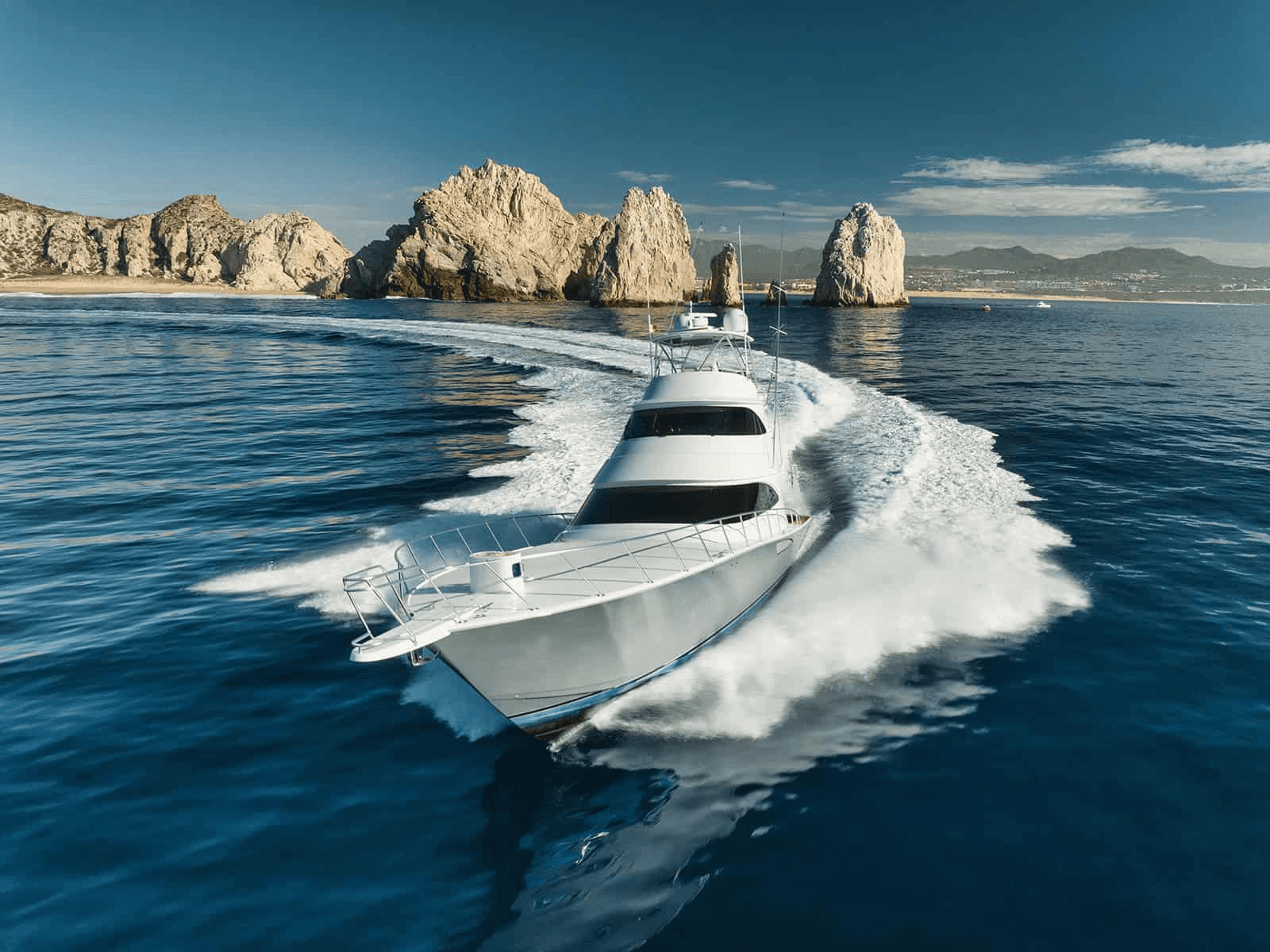
A comprehensive approach to medical kits on board a sportfishing vessel.
Sportfishing vessel excursions are synonymous with excitement! The sport draws thrill seekers, ocean enthusiasts, and seasonal professionals alike. On any sportfishing vessel, you will find a diverse mix of individuals, each with their own adventurous expectations. Amidst the adrenaline-fueled pursuit of the biggest fish, accidents can quickly turn a great day into tragedy.
On a sportfishing vessel, a few seconds can transform a life-altering moment. Nasty cuts, broken bones, and even more severe injuries can occur during the snap of a wave. Before hitting the open water, it is essential to prepare for both fun and safety.
What you have on board for a medical emergency can make the difference between an accident being just a passing moment in the day or a life-changing nightmare. Every vessel must have a medical kit on board that can handle not only the most common injuries but also those you hope will never happen.
Yacht medical kit supplies are designed for extended periods away from shore. Although sportfish vessels are never too far from shore, they’re built for speed, making it important to be ready for emergencies. Someone on board must have basic medical skills such as bandaging a cut, removing a fish hook from a hand, managing sun stroke, basic CPR, and applying a tourniquet. Each flag state determines the standards for what medical equipment must be on board based on vessel weight, length, and passenger count.
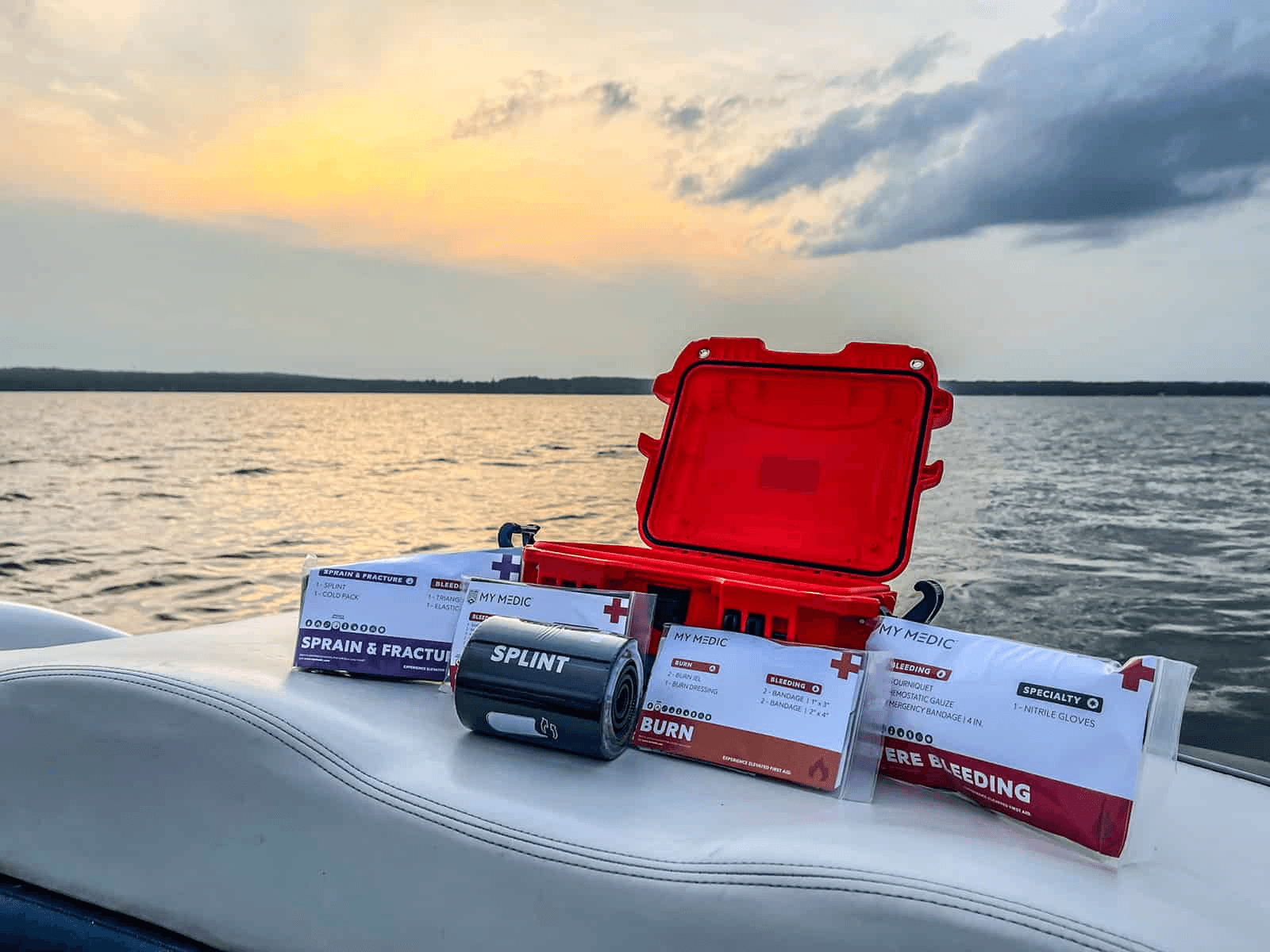
Yachts and superyachts follow strict medical kit guidelines; however, most sportfishing vessels do not fall under any governing jurisdiction. Standard medical kits for all sizes of vessels are often purchased from MCA-licensed providers such as Medical Support Offshore (MSOS) and MedAire. These companies provide Peli Cases and bags full of everything required to keep people temporarily stable during medical emergencies on board. Medical kits are required to be checked by onboard crew monthly and updated for expired items every six months or sooner if needed. When was the last time you checked your kit to ensure all required safety items are up to date and fully stocked?
Limited or no access to experienced medical professionals means a well-stocked onboard medical kit is crucial. Seasoned sportfishers know how to curate a medical safety kit based on experience, but even those may be missing important items. There can be wide variations between what is medically available on board a yacht and those found on smaller boats. Yacht crew often need to become familiar with what may be on board a sportfish, even within the same fleet. Yachts may have on-call emergency doctors (tele-med service) and a dedicated medical crewmember (MPIC), but sportfish vessels do not. Smaller vessels should have a printed and accessible list of nearby emergency services, including phone numbers of ride services if needed.
The storage areas on smaller boats are significantly smaller than those found on yachts, so items such as backboards and full body braces usually can’t be stored. Those vessels should keep alternative items that offer compact solutions for stabilizing injuries, particularly spinal and limb fractures, such as a Kendrick extrication device (KED) or vacuum splints.
In addition to standard medical supplies, sportfish vessels require specialized equipment tailored to their unique challenges. The following additions enhance onboard medical preparedness for sportfishing adventures:
Hook removal kit, including long-handled fishing pliers and several sizes of tweezers.
Suture kit – or if unqualified crew are on board, keep suture glue.
Eye wash solution or eye irrigation kit.·
A functioning and up-to-date defibrillator.
A sterilized deep bucket for soaking hands or arms punctured by poisonous spikes/fins.
Visual charts of venomous fish with recommended puncture treatments.
White vinegar for immediate treatment of jellyfish stings.
An EpiPen (doctor or parental approval mandatory before use) for severe allergic reactions.