“There’s no wrong answer” might fly in a classroom — but not underwater. According to Rodolphe Holler, founder of Tahiti Private Expeditions, the biggest mistake divers make is skipping the local guide. Even he never dives without one himself, no matter how well he knows the site.
“I’ve dived in almost 40 different destinations in the world, and for the past 20 years, I’ve always used a local guide,” he says. “The guide has 25 years of experience, which I will never reach.”
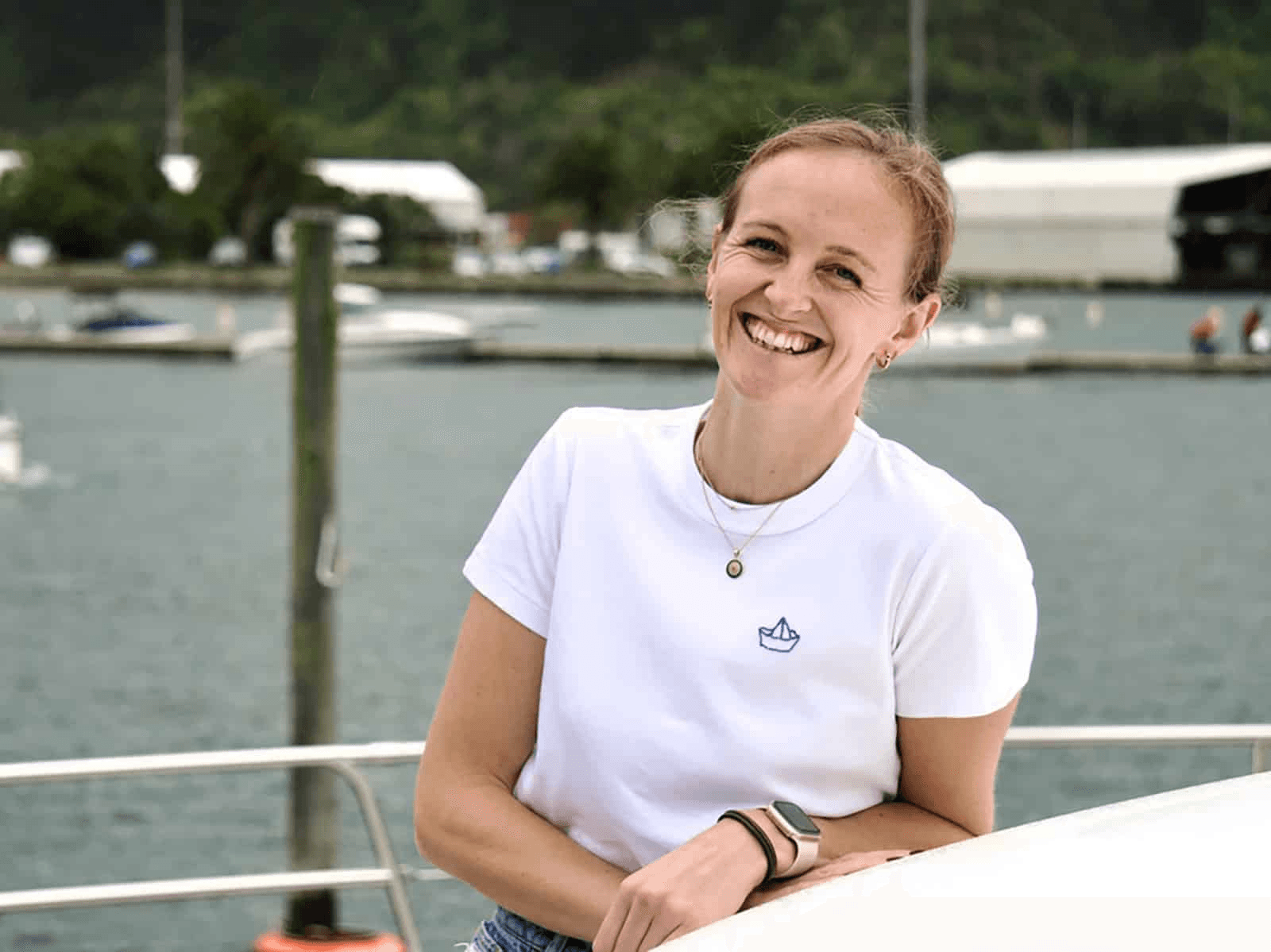
In addition to being a marine naturalist and dive instructor, Holler is also an underwater professional photographer and filmmaker. Together with his wife Christelle (co-founder of Tahiti Private Expeditions), he’s worked with 165 yachts and completed hundreds of trips throughout Tahiti and around the world.
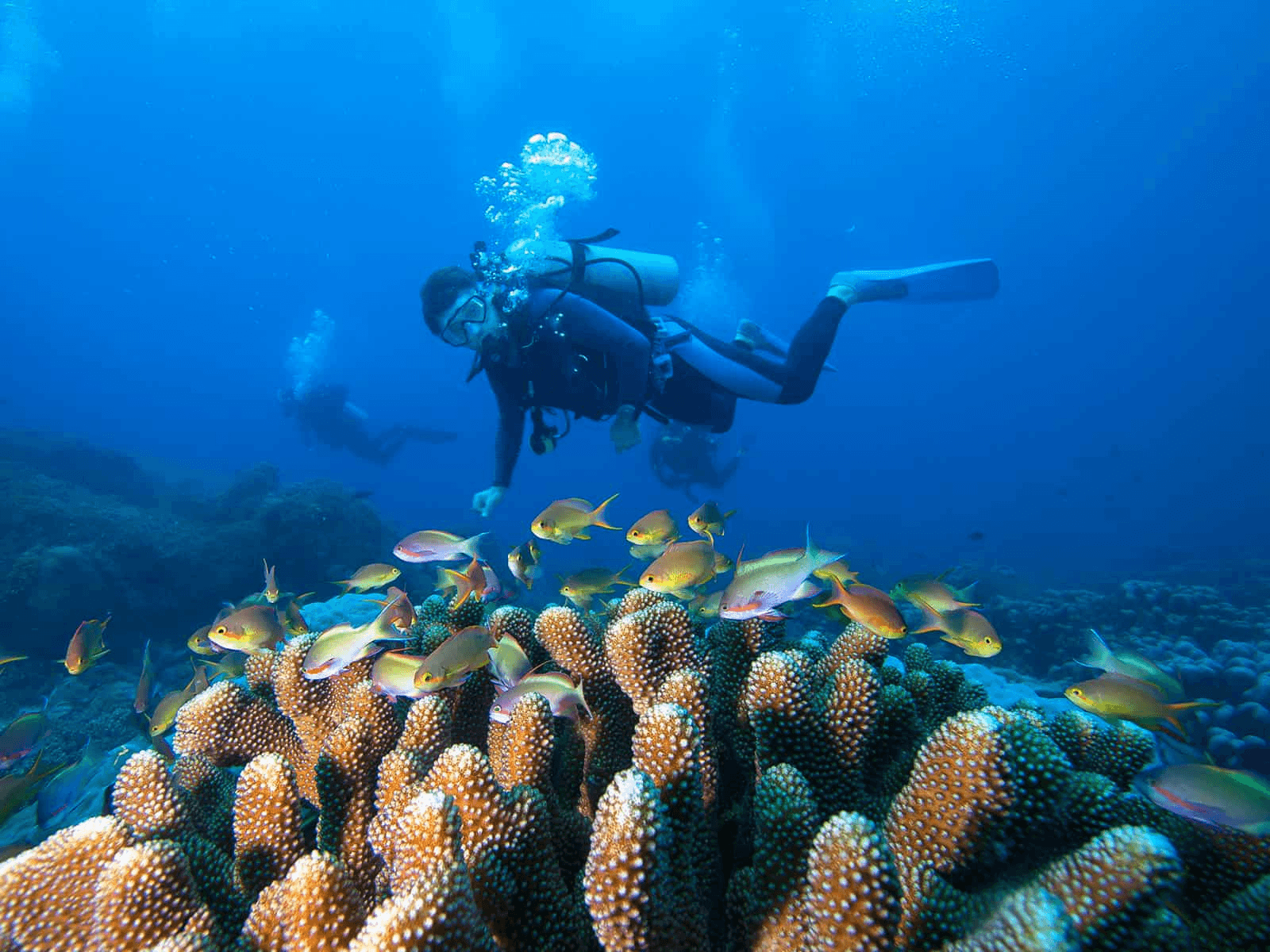
He makes a strong case for why local guides are the key to a successful dive. The main reason is safety: local guides know the currents, conditions, and hidden hazards that your GPS and experience alone won’t reveal.
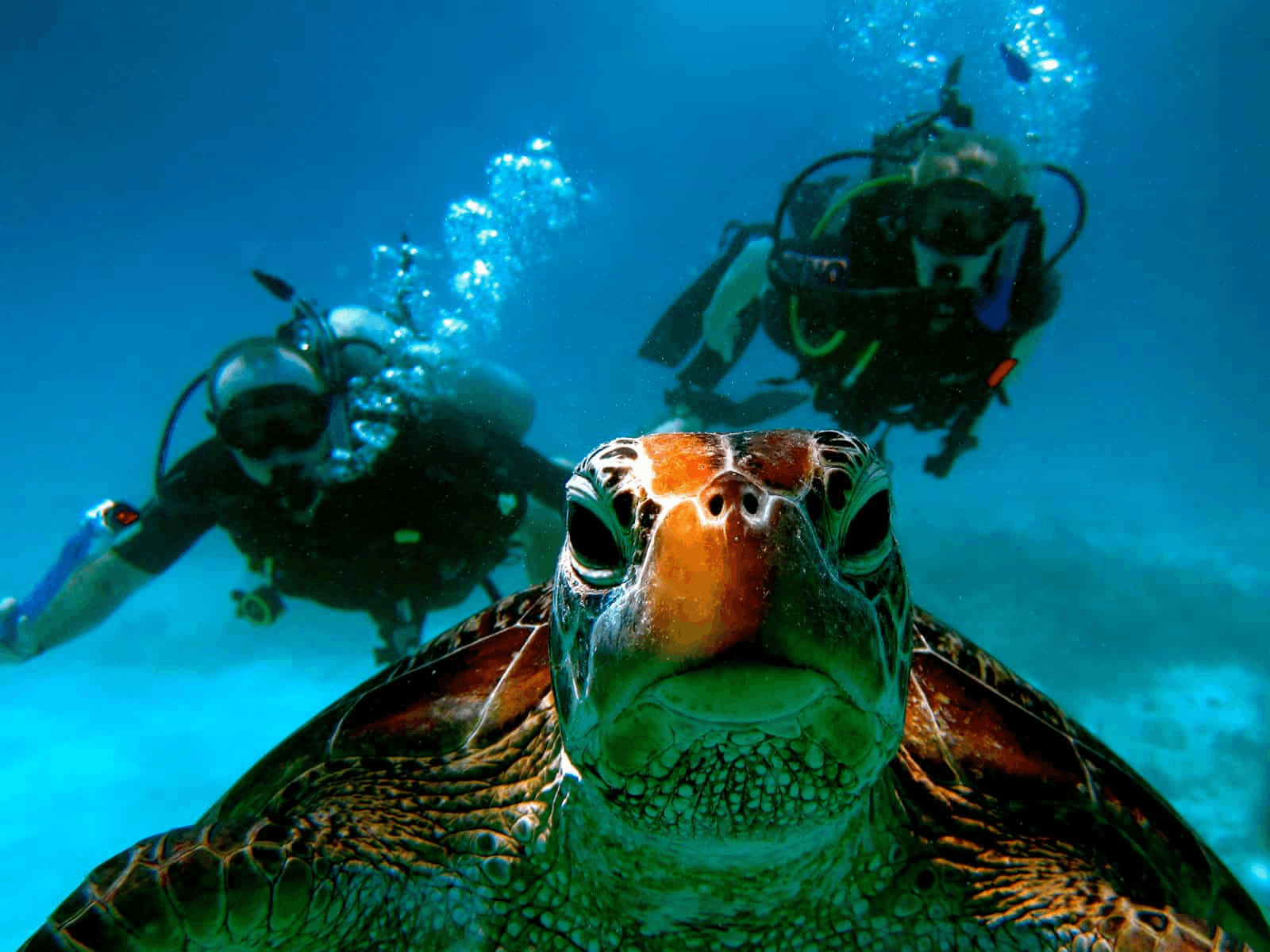
“Even if you have a GPS position of a dive site, a GPS position doesn’t give you the dive site, it gives you just the entrance of the dive site, nothing else,” Holler said, adding that you can miss all the interesting parts of the dive if you don’t know where you’re going. Another reason is to fit in.
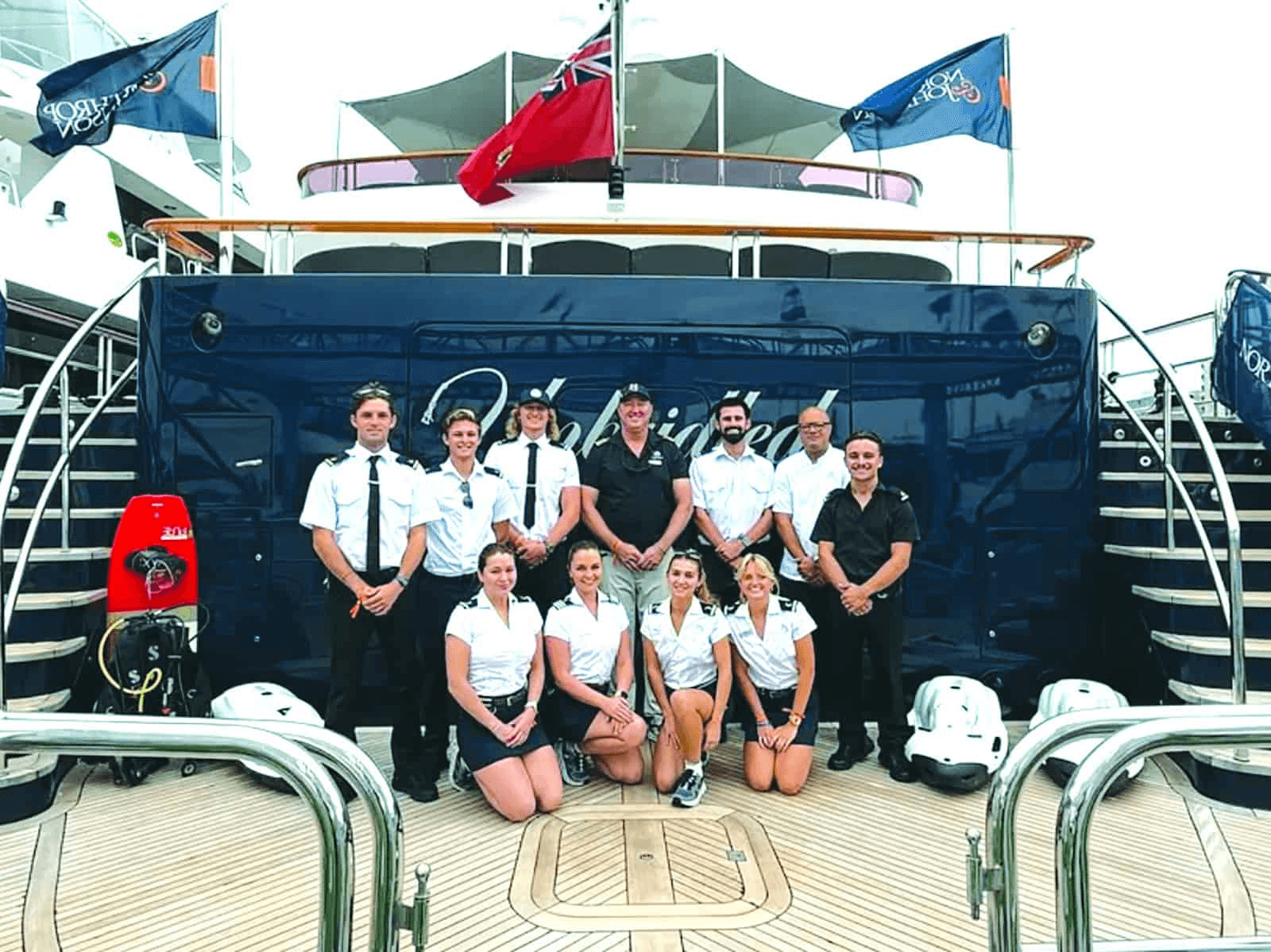
“If you are on a superyacht coming in the area, people are watching you, thinking you’ll exploit the area,” Holler said, adding that crew don’t necessarily have a good reputation everywhere. However, if you’re using the locals, “Then suddenly it’s a game changer because now you have value and you’re a customer.”
Here are his top five recommendations for the best diving spots for crew — just don’t go without a guide:
Tuamotu Islands, French Polynesia
This remote and underrated diving gem is “really spectacular,” according to Holler. While getting there requires a flight, it’s always worth the trip. He’s never seen a crewmember come away disappointed.
Part of French Polynesia in the heart of the South Pacific, the Tuamotus remain largely untouched by yacht traffic. “Only five percent are going elsewhere than the Caribbean and Mediterranean; more people go to the Pacific,” he said, adding that very few yachts go there.
This isolation comes with risk. “If you dive by yourself, there is a pretty good chance you want to die because it is extremely dangerous,” Holler warns. “It is very safe to dive if you dive with someone who knows where to stop. If you don’t know what you’re doing and you get trapped in this current, then you can face fatal consequences.”
Despite the risks, he insists it’s one of the most exceptional dive sites — if done right.
The Galápagos Islands, Ecuador
“The Galápagos is probably the only place in the world where 95 percent of the whole territory is a marine preserve,” Holler said. “When you go to the Galápagos, you are under the impression no human has been there before you. You don’t need to wait for long before you have a sea lion coming and playing with you, or you can see hammerhead sharks very easily.”
It’s not easy to access since it’s tightly regulated and very expensive. Yachts with the right permits have a huge advantage, but it’s much harder to do on your own. If crew have an occasion to dive around the Galápagos for a day or two, they should take it.
Fiji
Fiji is far more accessible — and well worth the time. Since most yachts stay in Fiji for a while, organizing day trips or even week-long dives is easy.
His top pick is a legendary shark dive where you can see up to 40 massive bull sharks and a few tiger sharks.