B1/B2 Visa Compliance for Foreign Yacht Crew in the U.S.
The United States immigration system operates under outdated laws that assume all foreign visitors intend to stay permanently — a notion that is no longer relevant in today’s global economy. Yet, non-U.S. yacht owners, captains, and crew must still prove to Customs and Border Protection (CBP) officers that they will depart the country following a temporary stay each time they visit the U.S.
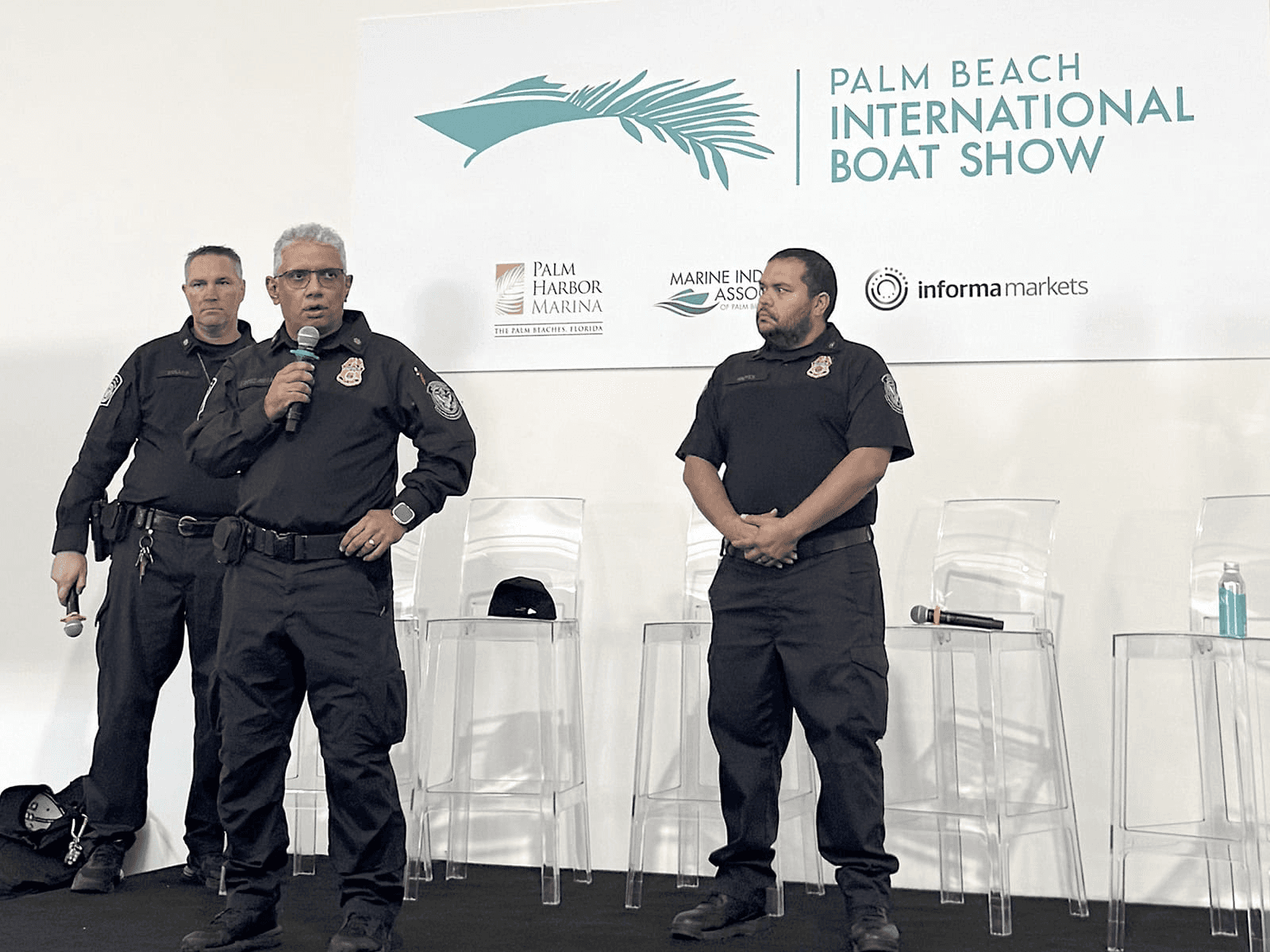
Since President Donald Trump’s pledge to strengthen border security, CBP and U.S. Consulates have implemented stricter scrutiny of B1/B2 visa holders and applicants, even without legislative changes. At the 2025 Palm Beach International Boat Show, CBP aimed to educate the yacht industry on various rules and procedures relevant to non-U.S. captains and crew, including those applicable when a boat is in dry dock for refit. Unfortunately, the seminar resulted in increased confusion and frustration among the attendees. A couple of weeks later, CBP issued a statement clarifying that B1/B2 crew “may not perform any major repair, refits, or shipyard work while their vessel is undergoing dry dock maintenance at a U.S. shipyard.” At the same time, “crew members may perform the routine repairs and maintenance to the vessel they would normally undertake in the course of their duties when the vessel is not in a shipyard.”
Additionally, CBP emphasized its concerns regarding B1/B2 crew taking jobs from U.S. workers and remaining in the U.S. for extended periods. Some work on yachts in U.S. waters for six months, leave for a short time, and then attempt to return, hoping their B1 status restarts for another six months. However, CBP officers decide entry durations on a case-by-case basis, and prior approval doesn’t guarantee future leniency. If an officer approves a shorter stay, a crewmember can apply for an extension of status with the Citizenship and Immigration Services (USCIS).
Officers also assess whether departures are “meaningful” — or for a “reasonable amount of time” — as brief exits to reset visa time may be seen as an attempt to live and work in the U.S. as an immigrant. Like many aspects of immigration law, the concept of “meaningful departure” is rather vague, but it’s clear that spending more time in the U.S. than abroad raises red flags.
“A lot of immigration stuff is not black and white, it is gray.” – CBP Officer at PBIBS.
It’s important to remember that CBP is a law enforcement agency, and advising crewmembers on the law and regulations is not its mission. With that in mind, let’s summarize key requirements for B1/B2 yacht crew based on the law, regulations, and CBP and consular practice:
Standard “B” Visa Rules:
Valid passport with a B1 or B1/B2 visa.
Strong ties to the home country, including a residence outside of the U.S. that they do not intend to abandon.
Intention to enter the U.S. for a specific, limited period of time.
Seeking admission solely to engage in legitimate activities related to business (B1) or business and pleasure (B1/B2).
Additional Yacht Crew Rules:
Intention to leave the U.S. after temporary work on the yacht.
Employment by a foreign entity.
Being paid by a foreign entity from and to foreign bank accounts.
Valid seafarer’s employment agreement for private yacht work.
Duties limited to standard vessel operations (no shipyard overhauls).
Entry/exit tied to the yacht’s international arrival and/or departure.
Entry experiences can vary by officer: some may not be familiar with yacht industry specifics (though South Florida officers typically are). If questioned excessively or denied, don’t argue — request to speak to a supervisor, who often resolves issues fairly. By understanding the rules and CBP’s priorities and complying with these guidelines, crew can improve their chances of a smooth entry and avoid complications.
Oleg Otten is the Yacht Visa Lawyer with VLAC LAW in Miami, Florida. His practice is focused on yacht, immigration, and corporate law. VLAC LAW assists U.S. and international clients with a wide range of matters, such as buying, selling, and structuring businesses and holding entities; drafting and negotiating agreements (e.g., yacht purchase and sale agreements, chartering contracts, dealer, lease, and employment agreements); and securing visas and green cards for yacht crew, international investors, business professionals, employees of global companies, and families, including options like E-2 and L-1 visas, EB-5, and National Interest Waiver green cards. We are fluent in English, Spanish, and Russian. For more information, contact Oleg Otten at oleg@yachtvisalawyer.com or visit yachtvisalawyer.com.